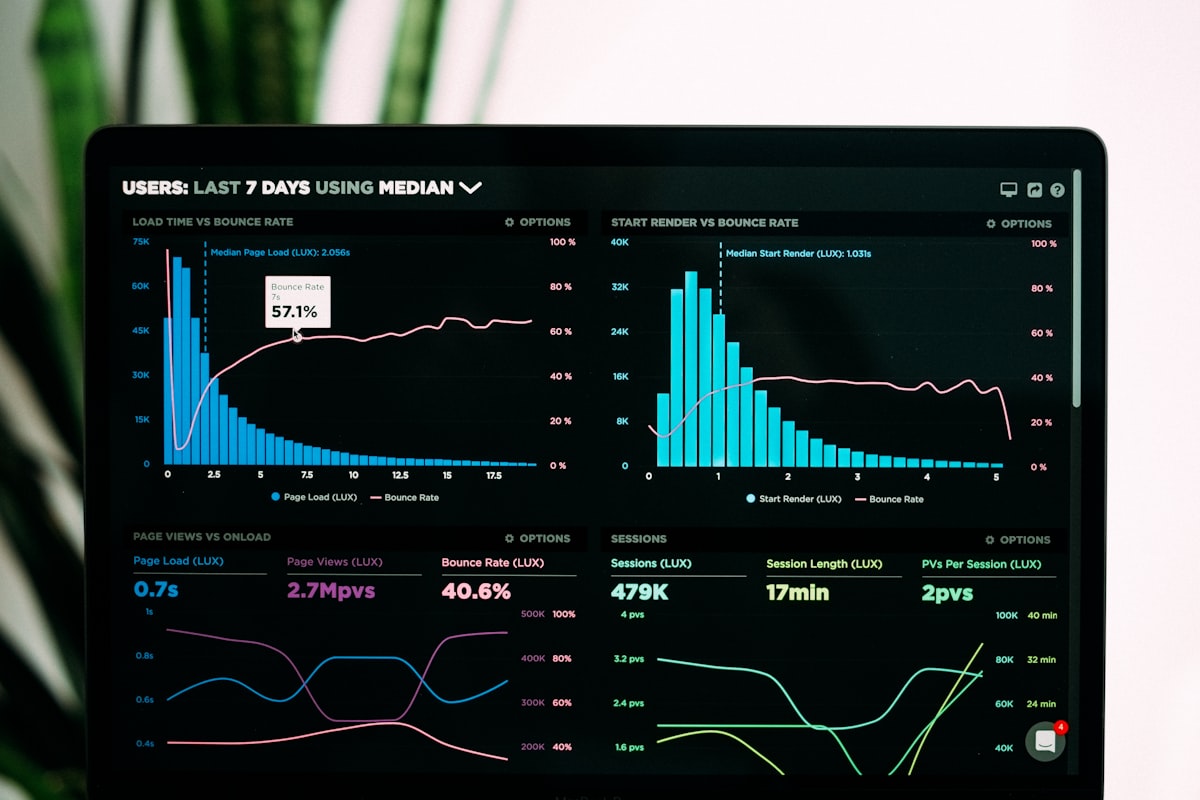
Here's the trap nobody warns beginners about: you set up a server, everything works, and then you stop looking at it. A disk fills up. A container crashes. A backup silently fails. You find out weeks later, usually when you need the thing that broke.
The fix isn't checking your server every morning. It's making your server check itself. These four tools do the watching for you.
1. Uptime Kuma — the "is it dead?" dashboard
Uptime Kuma pings your apps on a schedule. If your movie server or password vault stops responding, it tells you — by push notification, email, Discord, or Telegram.
Setup is one command. Add each service by URL, pick how often to check, and connect one notification channel. Now you know your app is down before your family does. Start with just three monitors: your most-used app, your router, and your backup destination.
2. Dozzle — read your logs without the terminal
When something breaks, the answer is almost always in the logs. But SSH-ing in and typing docker logs scares off beginners fast.
Dozzle gives you a live web page showing logs from every container, updating in real time. No database, no config file. You open a browser tab and watch what your apps are actually saying. Bookmark it. The first time an app misbehaves, you'll skip an hour of guessing.
3. Scrutiny — your hard drive's early warning system
Drives don't usually die instantly. They warn you first, in data called SMART stats that nobody ever looks at.
Scrutiny reads those stats and shows them as a simple dashboard: green means healthy, yellow means watch it, red means back up now and buy a replacement. For a self-hoster, a dying drive is the one failure that actually loses your data. This tool turns a silent problem into a loud one while you still have time.
4. Ntfy — one app for every alert
The others need somewhere to send their warnings. Ntfy is that somewhere. It's a tiny notification server you self-host, with a phone app that buzzes when any of your tools sends a message.
Why self-host notifications instead of using email or a third-party service? Because those alerts reveal your setup — which apps you run, when they fail, your usage patterns. Ntfy keeps that on your hardware. Point Uptime Kuma and Scrutiny at it, and every warning lands on your phone through a channel only you control.
The 20-minute version
You don't need all four today. Install Uptime Kuma, add three monitors, and connect Ntfy for phone alerts. That combo alone means your server tells you the moment something breaks — no dashboard-staring required.
Today's takeaway: Spin up Uptime Kuma, add one monitor for your most important app, and send yourself a test notification. If it buzzes your phone, you've already fixed the biggest beginner mistake — not knowing when things fail.